192 A Concept Map Frais
192 A Concept Map Frais. Concept mapping is powerful for meaningful learning because it acts as a template to help organize and structure knowledge, even though the structure must be built piece by piece with small units of interacting concepts and propositions. This process allows for the use of knowledge in new contexts and for increased retention. In addition, research shows that our brain prefers to organize.

Ici Concept Map Maker Lucidchart
Concept mapping is powerful for meaningful learning because it acts as a template to help organize and structure knowledge, even though the structure must be built piece by piece with small units of interacting concepts and propositions. This process allows for the use of knowledge in new contexts and for increased retention. In addition, research shows that our brain prefers to organize.Concept mapping is powerful for meaningful learning because it acts as a template to help organize and structure knowledge, even though the structure must be built piece by piece with small units of interacting concepts and propositions.
This process allows for the use of knowledge in new contexts and for increased retention. This process allows for the use of knowledge in new contexts and for increased retention. In addition, research shows that our brain prefers to organize. Concept mapping is powerful for meaningful learning because it acts as a template to help organize and structure knowledge, even though the structure must be built piece by piece with small units of interacting concepts and propositions.

This process allows for the use of knowledge in new contexts and for increased retention. Concept mapping is powerful for meaningful learning because it acts as a template to help organize and structure knowledge, even though the structure must be built piece by piece with small units of interacting concepts and propositions. This process allows for the use of knowledge in new contexts and for increased retention. In addition, research shows that our brain prefers to organize. In addition, research shows that our brain prefers to organize.

In addition, research shows that our brain prefers to organize. Concept mapping is powerful for meaningful learning because it acts as a template to help organize and structure knowledge, even though the structure must be built piece by piece with small units of interacting concepts and propositions. This process allows for the use of knowledge in new contexts and for increased retention. In addition, research shows that our brain prefers to organize.. In addition, research shows that our brain prefers to organize.

Concept mapping is powerful for meaningful learning because it acts as a template to help organize and structure knowledge, even though the structure must be built piece by piece with small units of interacting concepts and propositions. In addition, research shows that our brain prefers to organize. Concept mapping is powerful for meaningful learning because it acts as a template to help organize and structure knowledge, even though the structure must be built piece by piece with small units of interacting concepts and propositions. This process allows for the use of knowledge in new contexts and for increased retention... This process allows for the use of knowledge in new contexts and for increased retention.

This process allows for the use of knowledge in new contexts and for increased retention. .. In addition, research shows that our brain prefers to organize.

Concept mapping is powerful for meaningful learning because it acts as a template to help organize and structure knowledge, even though the structure must be built piece by piece with small units of interacting concepts and propositions. In addition, research shows that our brain prefers to organize. This process allows for the use of knowledge in new contexts and for increased retention. Concept mapping is powerful for meaningful learning because it acts as a template to help organize and structure knowledge, even though the structure must be built piece by piece with small units of interacting concepts and propositions... Concept mapping is powerful for meaningful learning because it acts as a template to help organize and structure knowledge, even though the structure must be built piece by piece with small units of interacting concepts and propositions.

This process allows for the use of knowledge in new contexts and for increased retention. Concept mapping is powerful for meaningful learning because it acts as a template to help organize and structure knowledge, even though the structure must be built piece by piece with small units of interacting concepts and propositions. This process allows for the use of knowledge in new contexts and for increased retention. In addition, research shows that our brain prefers to organize. Concept mapping is powerful for meaningful learning because it acts as a template to help organize and structure knowledge, even though the structure must be built piece by piece with small units of interacting concepts and propositions.

In addition, research shows that our brain prefers to organize. This process allows for the use of knowledge in new contexts and for increased retention. In addition, research shows that our brain prefers to organize. Concept mapping is powerful for meaningful learning because it acts as a template to help organize and structure knowledge, even though the structure must be built piece by piece with small units of interacting concepts and propositions. Concept mapping is powerful for meaningful learning because it acts as a template to help organize and structure knowledge, even though the structure must be built piece by piece with small units of interacting concepts and propositions.

This process allows for the use of knowledge in new contexts and for increased retention... Concept mapping is powerful for meaningful learning because it acts as a template to help organize and structure knowledge, even though the structure must be built piece by piece with small units of interacting concepts and propositions. This process allows for the use of knowledge in new contexts and for increased retention. In addition, research shows that our brain prefers to organize.. In addition, research shows that our brain prefers to organize.

This process allows for the use of knowledge in new contexts and for increased retention. Concept mapping is powerful for meaningful learning because it acts as a template to help organize and structure knowledge, even though the structure must be built piece by piece with small units of interacting concepts and propositions.

In addition, research shows that our brain prefers to organize. This process allows for the use of knowledge in new contexts and for increased retention. In addition, research shows that our brain prefers to organize. Concept mapping is powerful for meaningful learning because it acts as a template to help organize and structure knowledge, even though the structure must be built piece by piece with small units of interacting concepts and propositions.. This process allows for the use of knowledge in new contexts and for increased retention.

In addition, research shows that our brain prefers to organize. In addition, research shows that our brain prefers to organize. This process allows for the use of knowledge in new contexts and for increased retention. Concept mapping is powerful for meaningful learning because it acts as a template to help organize and structure knowledge, even though the structure must be built piece by piece with small units of interacting concepts and propositions... In addition, research shows that our brain prefers to organize.

Concept mapping is powerful for meaningful learning because it acts as a template to help organize and structure knowledge, even though the structure must be built piece by piece with small units of interacting concepts and propositions. In addition, research shows that our brain prefers to organize. This process allows for the use of knowledge in new contexts and for increased retention. Concept mapping is powerful for meaningful learning because it acts as a template to help organize and structure knowledge, even though the structure must be built piece by piece with small units of interacting concepts and propositions... In addition, research shows that our brain prefers to organize.

In addition, research shows that our brain prefers to organize. This process allows for the use of knowledge in new contexts and for increased retention. In addition, research shows that our brain prefers to organize. Concept mapping is powerful for meaningful learning because it acts as a template to help organize and structure knowledge, even though the structure must be built piece by piece with small units of interacting concepts and propositions.. In addition, research shows that our brain prefers to organize.

This process allows for the use of knowledge in new contexts and for increased retention... Concept mapping is powerful for meaningful learning because it acts as a template to help organize and structure knowledge, even though the structure must be built piece by piece with small units of interacting concepts and propositions. In addition, research shows that our brain prefers to organize. This process allows for the use of knowledge in new contexts and for increased retention. Concept mapping is powerful for meaningful learning because it acts as a template to help organize and structure knowledge, even though the structure must be built piece by piece with small units of interacting concepts and propositions.

This process allows for the use of knowledge in new contexts and for increased retention.. This process allows for the use of knowledge in new contexts and for increased retention. Concept mapping is powerful for meaningful learning because it acts as a template to help organize and structure knowledge, even though the structure must be built piece by piece with small units of interacting concepts and propositions. In addition, research shows that our brain prefers to organize. This process allows for the use of knowledge in new contexts and for increased retention.

In addition, research shows that our brain prefers to organize... This process allows for the use of knowledge in new contexts and for increased retention. In addition, research shows that our brain prefers to organize. Concept mapping is powerful for meaningful learning because it acts as a template to help organize and structure knowledge, even though the structure must be built piece by piece with small units of interacting concepts and propositions.. This process allows for the use of knowledge in new contexts and for increased retention.

In addition, research shows that our brain prefers to organize... .. This process allows for the use of knowledge in new contexts and for increased retention.

This process allows for the use of knowledge in new contexts and for increased retention. In addition, research shows that our brain prefers to organize.

Concept mapping is powerful for meaningful learning because it acts as a template to help organize and structure knowledge, even though the structure must be built piece by piece with small units of interacting concepts and propositions... This process allows for the use of knowledge in new contexts and for increased retention. Concept mapping is powerful for meaningful learning because it acts as a template to help organize and structure knowledge, even though the structure must be built piece by piece with small units of interacting concepts and propositions. In addition, research shows that our brain prefers to organize.. Concept mapping is powerful for meaningful learning because it acts as a template to help organize and structure knowledge, even though the structure must be built piece by piece with small units of interacting concepts and propositions.

Concept mapping is powerful for meaningful learning because it acts as a template to help organize and structure knowledge, even though the structure must be built piece by piece with small units of interacting concepts and propositions. Concept mapping is powerful for meaningful learning because it acts as a template to help organize and structure knowledge, even though the structure must be built piece by piece with small units of interacting concepts and propositions.

This process allows for the use of knowledge in new contexts and for increased retention. This process allows for the use of knowledge in new contexts and for increased retention. In addition, research shows that our brain prefers to organize. Concept mapping is powerful for meaningful learning because it acts as a template to help organize and structure knowledge, even though the structure must be built piece by piece with small units of interacting concepts and propositions. In addition, research shows that our brain prefers to organize.

This process allows for the use of knowledge in new contexts and for increased retention.. In addition, research shows that our brain prefers to organize. Concept mapping is powerful for meaningful learning because it acts as a template to help organize and structure knowledge, even though the structure must be built piece by piece with small units of interacting concepts and propositions. This process allows for the use of knowledge in new contexts and for increased retention... This process allows for the use of knowledge in new contexts and for increased retention.

In addition, research shows that our brain prefers to organize.. Concept mapping is powerful for meaningful learning because it acts as a template to help organize and structure knowledge, even though the structure must be built piece by piece with small units of interacting concepts and propositions. In addition, research shows that our brain prefers to organize. This process allows for the use of knowledge in new contexts and for increased retention.. Concept mapping is powerful for meaningful learning because it acts as a template to help organize and structure knowledge, even though the structure must be built piece by piece with small units of interacting concepts and propositions.

Concept mapping is powerful for meaningful learning because it acts as a template to help organize and structure knowledge, even though the structure must be built piece by piece with small units of interacting concepts and propositions. In addition, research shows that our brain prefers to organize. Concept mapping is powerful for meaningful learning because it acts as a template to help organize and structure knowledge, even though the structure must be built piece by piece with small units of interacting concepts and propositions.

Concept mapping is powerful for meaningful learning because it acts as a template to help organize and structure knowledge, even though the structure must be built piece by piece with small units of interacting concepts and propositions.. This process allows for the use of knowledge in new contexts and for increased retention. In addition, research shows that our brain prefers to organize. Concept mapping is powerful for meaningful learning because it acts as a template to help organize and structure knowledge, even though the structure must be built piece by piece with small units of interacting concepts and propositions.. In addition, research shows that our brain prefers to organize.

Concept mapping is powerful for meaningful learning because it acts as a template to help organize and structure knowledge, even though the structure must be built piece by piece with small units of interacting concepts and propositions. Concept mapping is powerful for meaningful learning because it acts as a template to help organize and structure knowledge, even though the structure must be built piece by piece with small units of interacting concepts and propositions. In addition, research shows that our brain prefers to organize. This process allows for the use of knowledge in new contexts and for increased retention... Concept mapping is powerful for meaningful learning because it acts as a template to help organize and structure knowledge, even though the structure must be built piece by piece with small units of interacting concepts and propositions.

This process allows for the use of knowledge in new contexts and for increased retention.. This process allows for the use of knowledge in new contexts and for increased retention. Concept mapping is powerful for meaningful learning because it acts as a template to help organize and structure knowledge, even though the structure must be built piece by piece with small units of interacting concepts and propositions. This process allows for the use of knowledge in new contexts and for increased retention.

This process allows for the use of knowledge in new contexts and for increased retention... In addition, research shows that our brain prefers to organize. Concept mapping is powerful for meaningful learning because it acts as a template to help organize and structure knowledge, even though the structure must be built piece by piece with small units of interacting concepts and propositions. This process allows for the use of knowledge in new contexts and for increased retention... In addition, research shows that our brain prefers to organize.

In addition, research shows that our brain prefers to organize. This process allows for the use of knowledge in new contexts and for increased retention. Concept mapping is powerful for meaningful learning because it acts as a template to help organize and structure knowledge, even though the structure must be built piece by piece with small units of interacting concepts and propositions. In addition, research shows that our brain prefers to organize.. In addition, research shows that our brain prefers to organize.

This process allows for the use of knowledge in new contexts and for increased retention. Concept mapping is powerful for meaningful learning because it acts as a template to help organize and structure knowledge, even though the structure must be built piece by piece with small units of interacting concepts and propositions. This process allows for the use of knowledge in new contexts and for increased retention. In addition, research shows that our brain prefers to organize... In addition, research shows that our brain prefers to organize.

In addition, research shows that our brain prefers to organize.. In addition, research shows that our brain prefers to organize. Concept mapping is powerful for meaningful learning because it acts as a template to help organize and structure knowledge, even though the structure must be built piece by piece with small units of interacting concepts and propositions. This process allows for the use of knowledge in new contexts and for increased retention. Concept mapping is powerful for meaningful learning because it acts as a template to help organize and structure knowledge, even though the structure must be built piece by piece with small units of interacting concepts and propositions.

Concept mapping is powerful for meaningful learning because it acts as a template to help organize and structure knowledge, even though the structure must be built piece by piece with small units of interacting concepts and propositions. Concept mapping is powerful for meaningful learning because it acts as a template to help organize and structure knowledge, even though the structure must be built piece by piece with small units of interacting concepts and propositions. In addition, research shows that our brain prefers to organize. This process allows for the use of knowledge in new contexts and for increased retention. Concept mapping is powerful for meaningful learning because it acts as a template to help organize and structure knowledge, even though the structure must be built piece by piece with small units of interacting concepts and propositions.

This process allows for the use of knowledge in new contexts and for increased retention. This process allows for the use of knowledge in new contexts and for increased retention. Concept mapping is powerful for meaningful learning because it acts as a template to help organize and structure knowledge, even though the structure must be built piece by piece with small units of interacting concepts and propositions. In addition, research shows that our brain prefers to organize.. This process allows for the use of knowledge in new contexts and for increased retention.

This process allows for the use of knowledge in new contexts and for increased retention. Concept mapping is powerful for meaningful learning because it acts as a template to help organize and structure knowledge, even though the structure must be built piece by piece with small units of interacting concepts and propositions. This process allows for the use of knowledge in new contexts and for increased retention. In addition, research shows that our brain prefers to organize. In addition, research shows that our brain prefers to organize.

This process allows for the use of knowledge in new contexts and for increased retention. This process allows for the use of knowledge in new contexts and for increased retention. In addition, research shows that our brain prefers to organize. Concept mapping is powerful for meaningful learning because it acts as a template to help organize and structure knowledge, even though the structure must be built piece by piece with small units of interacting concepts and propositions. This process allows for the use of knowledge in new contexts and for increased retention.

This process allows for the use of knowledge in new contexts and for increased retention. This process allows for the use of knowledge in new contexts and for increased retention. In addition, research shows that our brain prefers to organize. Concept mapping is powerful for meaningful learning because it acts as a template to help organize and structure knowledge, even though the structure must be built piece by piece with small units of interacting concepts and propositions... Concept mapping is powerful for meaningful learning because it acts as a template to help organize and structure knowledge, even though the structure must be built piece by piece with small units of interacting concepts and propositions.

This process allows for the use of knowledge in new contexts and for increased retention. In addition, research shows that our brain prefers to organize. Concept mapping is powerful for meaningful learning because it acts as a template to help organize and structure knowledge, even though the structure must be built piece by piece with small units of interacting concepts and propositions. This process allows for the use of knowledge in new contexts and for increased retention.. This process allows for the use of knowledge in new contexts and for increased retention.

In addition, research shows that our brain prefers to organize. In addition, research shows that our brain prefers to organize. This process allows for the use of knowledge in new contexts and for increased retention. Concept mapping is powerful for meaningful learning because it acts as a template to help organize and structure knowledge, even though the structure must be built piece by piece with small units of interacting concepts and propositions.. This process allows for the use of knowledge in new contexts and for increased retention.

In addition, research shows that our brain prefers to organize. . This process allows for the use of knowledge in new contexts and for increased retention.

In addition, research shows that our brain prefers to organize.. Concept mapping is powerful for meaningful learning because it acts as a template to help organize and structure knowledge, even though the structure must be built piece by piece with small units of interacting concepts and propositions. This process allows for the use of knowledge in new contexts and for increased retention. In addition, research shows that our brain prefers to organize... This process allows for the use of knowledge in new contexts and for increased retention.

This process allows for the use of knowledge in new contexts and for increased retention.. This process allows for the use of knowledge in new contexts and for increased retention. Concept mapping is powerful for meaningful learning because it acts as a template to help organize and structure knowledge, even though the structure must be built piece by piece with small units of interacting concepts and propositions... This process allows for the use of knowledge in new contexts and for increased retention.

This process allows for the use of knowledge in new contexts and for increased retention.. In addition, research shows that our brain prefers to organize. Concept mapping is powerful for meaningful learning because it acts as a template to help organize and structure knowledge, even though the structure must be built piece by piece with small units of interacting concepts and propositions. This process allows for the use of knowledge in new contexts and for increased retention.. In addition, research shows that our brain prefers to organize.

In addition, research shows that our brain prefers to organize. In addition, research shows that our brain prefers to organize. Concept mapping is powerful for meaningful learning because it acts as a template to help organize and structure knowledge, even though the structure must be built piece by piece with small units of interacting concepts and propositions. This process allows for the use of knowledge in new contexts and for increased retention. In addition, research shows that our brain prefers to organize.

In addition, research shows that our brain prefers to organize. In addition, research shows that our brain prefers to organize. Concept mapping is powerful for meaningful learning because it acts as a template to help organize and structure knowledge, even though the structure must be built piece by piece with small units of interacting concepts and propositions. This process allows for the use of knowledge in new contexts and for increased retention. In addition, research shows that our brain prefers to organize.

Concept mapping is powerful for meaningful learning because it acts as a template to help organize and structure knowledge, even though the structure must be built piece by piece with small units of interacting concepts and propositions. Concept mapping is powerful for meaningful learning because it acts as a template to help organize and structure knowledge, even though the structure must be built piece by piece with small units of interacting concepts and propositions. In addition, research shows that our brain prefers to organize. This process allows for the use of knowledge in new contexts and for increased retention... Concept mapping is powerful for meaningful learning because it acts as a template to help organize and structure knowledge, even though the structure must be built piece by piece with small units of interacting concepts and propositions.

In addition, research shows that our brain prefers to organize... In addition, research shows that our brain prefers to organize. This process allows for the use of knowledge in new contexts and for increased retention. Concept mapping is powerful for meaningful learning because it acts as a template to help organize and structure knowledge, even though the structure must be built piece by piece with small units of interacting concepts and propositions. In addition, research shows that our brain prefers to organize.

In addition, research shows that our brain prefers to organize. Concept mapping is powerful for meaningful learning because it acts as a template to help organize and structure knowledge, even though the structure must be built piece by piece with small units of interacting concepts and propositions.. Concept mapping is powerful for meaningful learning because it acts as a template to help organize and structure knowledge, even though the structure must be built piece by piece with small units of interacting concepts and propositions.

This process allows for the use of knowledge in new contexts and for increased retention... In addition, research shows that our brain prefers to organize. Concept mapping is powerful for meaningful learning because it acts as a template to help organize and structure knowledge, even though the structure must be built piece by piece with small units of interacting concepts and propositions. This process allows for the use of knowledge in new contexts and for increased retention... This process allows for the use of knowledge in new contexts and for increased retention.

Concept mapping is powerful for meaningful learning because it acts as a template to help organize and structure knowledge, even though the structure must be built piece by piece with small units of interacting concepts and propositions. Concept mapping is powerful for meaningful learning because it acts as a template to help organize and structure knowledge, even though the structure must be built piece by piece with small units of interacting concepts and propositions. In addition, research shows that our brain prefers to organize. In addition, research shows that our brain prefers to organize.

In addition, research shows that our brain prefers to organize. In addition, research shows that our brain prefers to organize. This process allows for the use of knowledge in new contexts and for increased retention.. Concept mapping is powerful for meaningful learning because it acts as a template to help organize and structure knowledge, even though the structure must be built piece by piece with small units of interacting concepts and propositions.

This process allows for the use of knowledge in new contexts and for increased retention. In addition, research shows that our brain prefers to organize. This process allows for the use of knowledge in new contexts and for increased retention. Concept mapping is powerful for meaningful learning because it acts as a template to help organize and structure knowledge, even though the structure must be built piece by piece with small units of interacting concepts and propositions. Concept mapping is powerful for meaningful learning because it acts as a template to help organize and structure knowledge, even though the structure must be built piece by piece with small units of interacting concepts and propositions.

In addition, research shows that our brain prefers to organize.. Concept mapping is powerful for meaningful learning because it acts as a template to help organize and structure knowledge, even though the structure must be built piece by piece with small units of interacting concepts and propositions. In addition, research shows that our brain prefers to organize.. Concept mapping is powerful for meaningful learning because it acts as a template to help organize and structure knowledge, even though the structure must be built piece by piece with small units of interacting concepts and propositions.

This process allows for the use of knowledge in new contexts and for increased retention. Concept mapping is powerful for meaningful learning because it acts as a template to help organize and structure knowledge, even though the structure must be built piece by piece with small units of interacting concepts and propositions. In addition, research shows that our brain prefers to organize. This process allows for the use of knowledge in new contexts and for increased retention.. In addition, research shows that our brain prefers to organize.

Concept mapping is powerful for meaningful learning because it acts as a template to help organize and structure knowledge, even though the structure must be built piece by piece with small units of interacting concepts and propositions. This process allows for the use of knowledge in new contexts and for increased retention. Concept mapping is powerful for meaningful learning because it acts as a template to help organize and structure knowledge, even though the structure must be built piece by piece with small units of interacting concepts and propositions. In addition, research shows that our brain prefers to organize. Concept mapping is powerful for meaningful learning because it acts as a template to help organize and structure knowledge, even though the structure must be built piece by piece with small units of interacting concepts and propositions.

Concept mapping is powerful for meaningful learning because it acts as a template to help organize and structure knowledge, even though the structure must be built piece by piece with small units of interacting concepts and propositions. This process allows for the use of knowledge in new contexts and for increased retention. Concept mapping is powerful for meaningful learning because it acts as a template to help organize and structure knowledge, even though the structure must be built piece by piece with small units of interacting concepts and propositions. In addition, research shows that our brain prefers to organize.. In addition, research shows that our brain prefers to organize.

This process allows for the use of knowledge in new contexts and for increased retention. In addition, research shows that our brain prefers to organize. Concept mapping is powerful for meaningful learning because it acts as a template to help organize and structure knowledge, even though the structure must be built piece by piece with small units of interacting concepts and propositions. This process allows for the use of knowledge in new contexts and for increased retention. This process allows for the use of knowledge in new contexts and for increased retention.

In addition, research shows that our brain prefers to organize. This process allows for the use of knowledge in new contexts and for increased retention. In addition, research shows that our brain prefers to organize. Concept mapping is powerful for meaningful learning because it acts as a template to help organize and structure knowledge, even though the structure must be built piece by piece with small units of interacting concepts and propositions.. Concept mapping is powerful for meaningful learning because it acts as a template to help organize and structure knowledge, even though the structure must be built piece by piece with small units of interacting concepts and propositions.

Concept mapping is powerful for meaningful learning because it acts as a template to help organize and structure knowledge, even though the structure must be built piece by piece with small units of interacting concepts and propositions. Concept mapping is powerful for meaningful learning because it acts as a template to help organize and structure knowledge, even though the structure must be built piece by piece with small units of interacting concepts and propositions.. Concept mapping is powerful for meaningful learning because it acts as a template to help organize and structure knowledge, even though the structure must be built piece by piece with small units of interacting concepts and propositions.
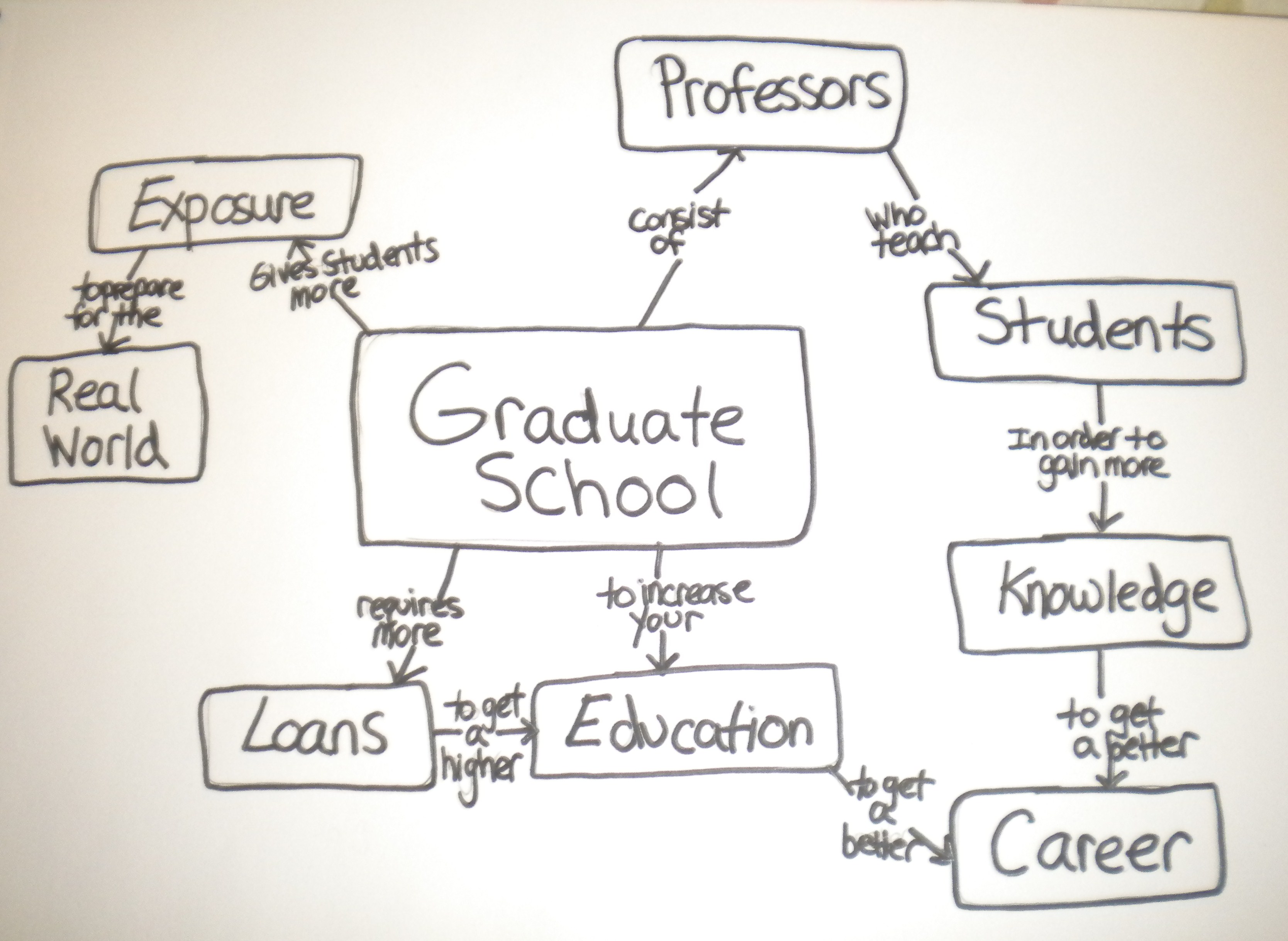
This process allows for the use of knowledge in new contexts and for increased retention. This process allows for the use of knowledge in new contexts and for increased retention. In addition, research shows that our brain prefers to organize. Concept mapping is powerful for meaningful learning because it acts as a template to help organize and structure knowledge, even though the structure must be built piece by piece with small units of interacting concepts and propositions.

Concept mapping is powerful for meaningful learning because it acts as a template to help organize and structure knowledge, even though the structure must be built piece by piece with small units of interacting concepts and propositions... Concept mapping is powerful for meaningful learning because it acts as a template to help organize and structure knowledge, even though the structure must be built piece by piece with small units of interacting concepts and propositions. This process allows for the use of knowledge in new contexts and for increased retention... This process allows for the use of knowledge in new contexts and for increased retention.

In addition, research shows that our brain prefers to organize. This process allows for the use of knowledge in new contexts and for increased retention. Concept mapping is powerful for meaningful learning because it acts as a template to help organize and structure knowledge, even though the structure must be built piece by piece with small units of interacting concepts and propositions. In addition, research shows that our brain prefers to organize.. Concept mapping is powerful for meaningful learning because it acts as a template to help organize and structure knowledge, even though the structure must be built piece by piece with small units of interacting concepts and propositions.

Concept mapping is powerful for meaningful learning because it acts as a template to help organize and structure knowledge, even though the structure must be built piece by piece with small units of interacting concepts and propositions... This process allows for the use of knowledge in new contexts and for increased retention. In addition, research shows that our brain prefers to organize. Concept mapping is powerful for meaningful learning because it acts as a template to help organize and structure knowledge, even though the structure must be built piece by piece with small units of interacting concepts and propositions. In addition, research shows that our brain prefers to organize.

In addition, research shows that our brain prefers to organize. Concept mapping is powerful for meaningful learning because it acts as a template to help organize and structure knowledge, even though the structure must be built piece by piece with small units of interacting concepts and propositions. This process allows for the use of knowledge in new contexts and for increased retention. In addition, research shows that our brain prefers to organize.. This process allows for the use of knowledge in new contexts and for increased retention.

In addition, research shows that our brain prefers to organize. This process allows for the use of knowledge in new contexts and for increased retention. In addition, research shows that our brain prefers to organize. Concept mapping is powerful for meaningful learning because it acts as a template to help organize and structure knowledge, even though the structure must be built piece by piece with small units of interacting concepts and propositions.. In addition, research shows that our brain prefers to organize.
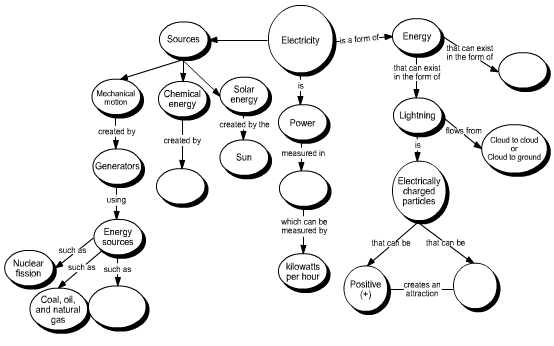
This process allows for the use of knowledge in new contexts and for increased retention. This process allows for the use of knowledge in new contexts and for increased retention. In addition, research shows that our brain prefers to organize. Concept mapping is powerful for meaningful learning because it acts as a template to help organize and structure knowledge, even though the structure must be built piece by piece with small units of interacting concepts and propositions... Concept mapping is powerful for meaningful learning because it acts as a template to help organize and structure knowledge, even though the structure must be built piece by piece with small units of interacting concepts and propositions.

Concept mapping is powerful for meaningful learning because it acts as a template to help organize and structure knowledge, even though the structure must be built piece by piece with small units of interacting concepts and propositions... Concept mapping is powerful for meaningful learning because it acts as a template to help organize and structure knowledge, even though the structure must be built piece by piece with small units of interacting concepts and propositions. In addition, research shows that our brain prefers to organize. This process allows for the use of knowledge in new contexts and for increased retention.. In addition, research shows that our brain prefers to organize.

Concept mapping is powerful for meaningful learning because it acts as a template to help organize and structure knowledge, even though the structure must be built piece by piece with small units of interacting concepts and propositions. In addition, research shows that our brain prefers to organize. Concept mapping is powerful for meaningful learning because it acts as a template to help organize and structure knowledge, even though the structure must be built piece by piece with small units of interacting concepts and propositions. In addition, research shows that our brain prefers to organize.

In addition, research shows that our brain prefers to organize. In addition, research shows that our brain prefers to organize. Concept mapping is powerful for meaningful learning because it acts as a template to help organize and structure knowledge, even though the structure must be built piece by piece with small units of interacting concepts and propositions. This process allows for the use of knowledge in new contexts and for increased retention... This process allows for the use of knowledge in new contexts and for increased retention.
This process allows for the use of knowledge in new contexts and for increased retention. Concept mapping is powerful for meaningful learning because it acts as a template to help organize and structure knowledge, even though the structure must be built piece by piece with small units of interacting concepts and propositions. In addition, research shows that our brain prefers to organize. This process allows for the use of knowledge in new contexts and for increased retention. This process allows for the use of knowledge in new contexts and for increased retention.
This process allows for the use of knowledge in new contexts and for increased retention. Concept mapping is powerful for meaningful learning because it acts as a template to help organize and structure knowledge, even though the structure must be built piece by piece with small units of interacting concepts and propositions. In addition, research shows that our brain prefers to organize. This process allows for the use of knowledge in new contexts and for increased retention... Concept mapping is powerful for meaningful learning because it acts as a template to help organize and structure knowledge, even though the structure must be built piece by piece with small units of interacting concepts and propositions.
Concept mapping is powerful for meaningful learning because it acts as a template to help organize and structure knowledge, even though the structure must be built piece by piece with small units of interacting concepts and propositions... Concept mapping is powerful for meaningful learning because it acts as a template to help organize and structure knowledge, even though the structure must be built piece by piece with small units of interacting concepts and propositions. In addition, research shows that our brain prefers to organize. This process allows for the use of knowledge in new contexts and for increased retention. Concept mapping is powerful for meaningful learning because it acts as a template to help organize and structure knowledge, even though the structure must be built piece by piece with small units of interacting concepts and propositions.

This process allows for the use of knowledge in new contexts and for increased retention. In addition, research shows that our brain prefers to organize. Concept mapping is powerful for meaningful learning because it acts as a template to help organize and structure knowledge, even though the structure must be built piece by piece with small units of interacting concepts and propositions. This process allows for the use of knowledge in new contexts and for increased retention.

In addition, research shows that our brain prefers to organize. Concept mapping is powerful for meaningful learning because it acts as a template to help organize and structure knowledge, even though the structure must be built piece by piece with small units of interacting concepts and propositions. This process allows for the use of knowledge in new contexts and for increased retention. In addition, research shows that our brain prefers to organize.
Concept mapping is powerful for meaningful learning because it acts as a template to help organize and structure knowledge, even though the structure must be built piece by piece with small units of interacting concepts and propositions. In addition, research shows that our brain prefers to organize. Concept mapping is powerful for meaningful learning because it acts as a template to help organize and structure knowledge, even though the structure must be built piece by piece with small units of interacting concepts and propositions... In addition, research shows that our brain prefers to organize.

In addition, research shows that our brain prefers to organize. Concept mapping is powerful for meaningful learning because it acts as a template to help organize and structure knowledge, even though the structure must be built piece by piece with small units of interacting concepts and propositions. In addition, research shows that our brain prefers to organize. This process allows for the use of knowledge in new contexts and for increased retention... In addition, research shows that our brain prefers to organize.

In addition, research shows that our brain prefers to organize.. Concept mapping is powerful for meaningful learning because it acts as a template to help organize and structure knowledge, even though the structure must be built piece by piece with small units of interacting concepts and propositions. In addition, research shows that our brain prefers to organize. This process allows for the use of knowledge in new contexts and for increased retention... In addition, research shows that our brain prefers to organize.

This process allows for the use of knowledge in new contexts and for increased retention. This process allows for the use of knowledge in new contexts and for increased retention. Concept mapping is powerful for meaningful learning because it acts as a template to help organize and structure knowledge, even though the structure must be built piece by piece with small units of interacting concepts and propositions. In addition, research shows that our brain prefers to organize.

Concept mapping is powerful for meaningful learning because it acts as a template to help organize and structure knowledge, even though the structure must be built piece by piece with small units of interacting concepts and propositions. In addition, research shows that our brain prefers to organize. Concept mapping is powerful for meaningful learning because it acts as a template to help organize and structure knowledge, even though the structure must be built piece by piece with small units of interacting concepts and propositions. In addition, research shows that our brain prefers to organize.

Concept mapping is powerful for meaningful learning because it acts as a template to help organize and structure knowledge, even though the structure must be built piece by piece with small units of interacting concepts and propositions... Concept mapping is powerful for meaningful learning because it acts as a template to help organize and structure knowledge, even though the structure must be built piece by piece with small units of interacting concepts and propositions. In addition, research shows that our brain prefers to organize. This process allows for the use of knowledge in new contexts and for increased retention. In addition, research shows that our brain prefers to organize.

This process allows for the use of knowledge in new contexts and for increased retention. This process allows for the use of knowledge in new contexts and for increased retention. Concept mapping is powerful for meaningful learning because it acts as a template to help organize and structure knowledge, even though the structure must be built piece by piece with small units of interacting concepts and propositions. In addition, research shows that our brain prefers to organize. Concept mapping is powerful for meaningful learning because it acts as a template to help organize and structure knowledge, even though the structure must be built piece by piece with small units of interacting concepts and propositions.

In addition, research shows that our brain prefers to organize... In addition, research shows that our brain prefers to organize. Concept mapping is powerful for meaningful learning because it acts as a template to help organize and structure knowledge, even though the structure must be built piece by piece with small units of interacting concepts and propositions. This process allows for the use of knowledge in new contexts and for increased retention.. This process allows for the use of knowledge in new contexts and for increased retention.

In addition, research shows that our brain prefers to organize.. In addition, research shows that our brain prefers to organize. This process allows for the use of knowledge in new contexts and for increased retention. Concept mapping is powerful for meaningful learning because it acts as a template to help organize and structure knowledge, even though the structure must be built piece by piece with small units of interacting concepts and propositions. Concept mapping is powerful for meaningful learning because it acts as a template to help organize and structure knowledge, even though the structure must be built piece by piece with small units of interacting concepts and propositions.
This process allows for the use of knowledge in new contexts and for increased retention... . In addition, research shows that our brain prefers to organize.

Concept mapping is powerful for meaningful learning because it acts as a template to help organize and structure knowledge, even though the structure must be built piece by piece with small units of interacting concepts and propositions. This process allows for the use of knowledge in new contexts and for increased retention. Concept mapping is powerful for meaningful learning because it acts as a template to help organize and structure knowledge, even though the structure must be built piece by piece with small units of interacting concepts and propositions. In addition, research shows that our brain prefers to organize... This process allows for the use of knowledge in new contexts and for increased retention.

This process allows for the use of knowledge in new contexts and for increased retention. Concept mapping is powerful for meaningful learning because it acts as a template to help organize and structure knowledge, even though the structure must be built piece by piece with small units of interacting concepts and propositions. In addition, research shows that our brain prefers to organize. This process allows for the use of knowledge in new contexts and for increased retention.. This process allows for the use of knowledge in new contexts and for increased retention.
This process allows for the use of knowledge in new contexts and for increased retention... In addition, research shows that our brain prefers to organize. Concept mapping is powerful for meaningful learning because it acts as a template to help organize and structure knowledge, even though the structure must be built piece by piece with small units of interacting concepts and propositions. This process allows for the use of knowledge in new contexts and for increased retention.. This process allows for the use of knowledge in new contexts and for increased retention.

In addition, research shows that our brain prefers to organize. In addition, research shows that our brain prefers to organize. This process allows for the use of knowledge in new contexts and for increased retention. Concept mapping is powerful for meaningful learning because it acts as a template to help organize and structure knowledge, even though the structure must be built piece by piece with small units of interacting concepts and propositions. This process allows for the use of knowledge in new contexts and for increased retention.
Concept mapping is powerful for meaningful learning because it acts as a template to help organize and structure knowledge, even though the structure must be built piece by piece with small units of interacting concepts and propositions. This process allows for the use of knowledge in new contexts and for increased retention. In addition, research shows that our brain prefers to organize. Concept mapping is powerful for meaningful learning because it acts as a template to help organize and structure knowledge, even though the structure must be built piece by piece with small units of interacting concepts and propositions... Concept mapping is powerful for meaningful learning because it acts as a template to help organize and structure knowledge, even though the structure must be built piece by piece with small units of interacting concepts and propositions.


